
Every year, thousands of eligible military veterans and their surviving spouses miss out on significant financial support simply because they are unaware that specific resources exist. Among the most vital yet underutilized support programs provided by the Department of Veterans Affairs is the VA Aid and Attendance benefit. This program serves as a tax-free pension enhancement specifically designed to assist wartime veterans and their surviving partners in covering the escalating costs of long-term care and daily living needs.
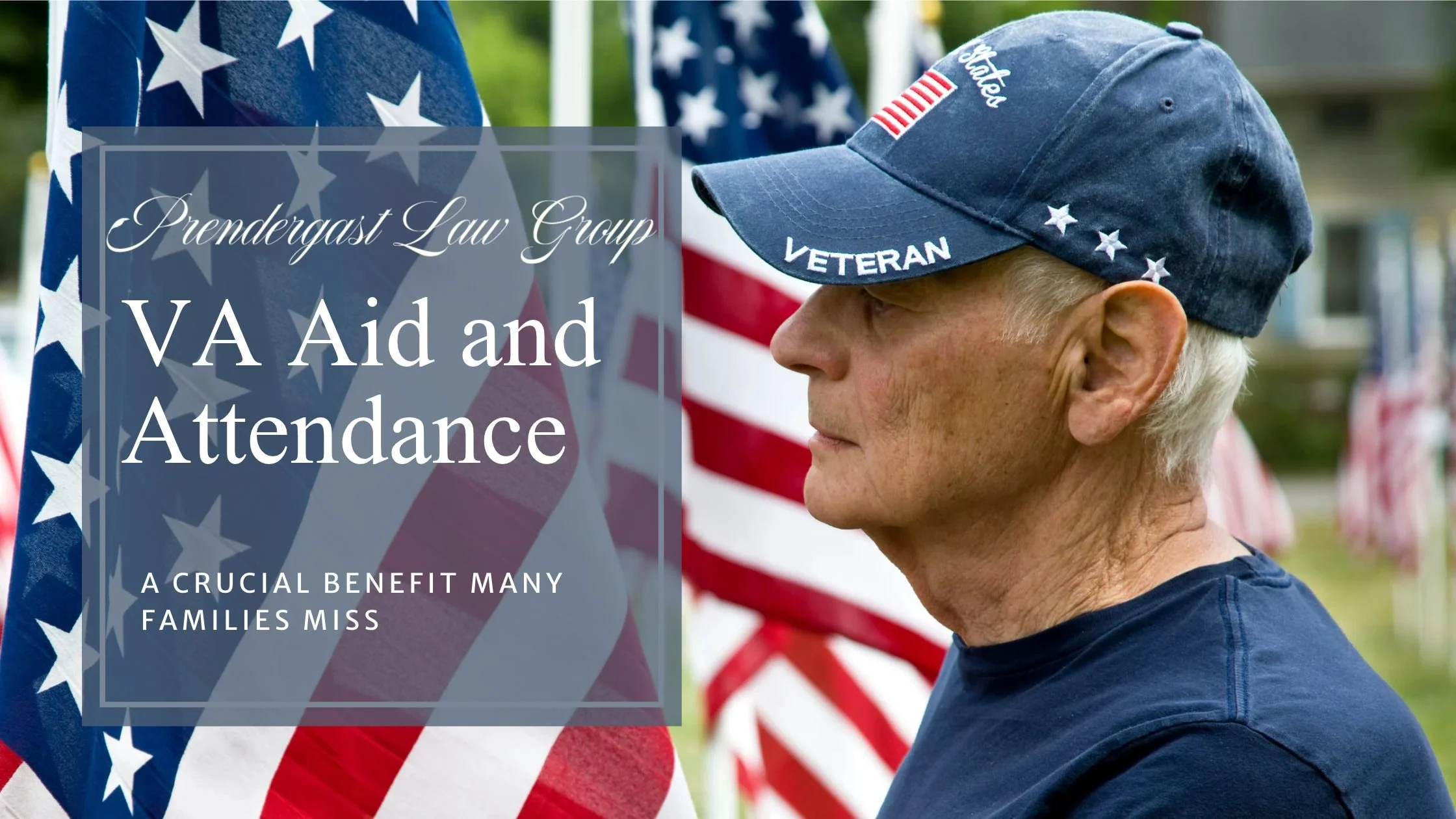
What is VA Aid and Attendance?
The Aid and Attendance allowance provides additional monthly cash payments on top of the standard VA pension. It is available to veterans and surviving spouses who require regular personal assistance with activities of daily living. These activities include personal hygiene, bathing, dressing, meal preparation, mobility support, or medication management. Additionally, the benefit extends to individuals who are housebound, visually impaired, or currently residing in assisted care facilities or nursing homes.
Key Eligibility Criteria
To qualify for the Aid and Attendance enhancement, applicants must satisfy specific service requirements, medical criteria, and financial thresholds established by the Department of Veterans Affairs:
Wartime Service Requirement: The veteran must have served at least 90 days of active military duty, with at least one day during an officially recognized wartime period (such as World War II, the Korean Conflict, the Vietnam Era, or the Gulf War). An honorable or general discharge is required.
Medical Necessity: A physician must verify that the applicant requires assistance from another person to perform basic daily activities, or that the individual is bedridden, living in a nursing facility due to physical or cognitive incapacity, or has severe visual limitations.
Financial Thresholds: The VA establishes annual limits on countable income and net worth. Notably, unreimbursed medical expenses—such as monthly assisted living fees or home care costs—can be deducted from countable income to help satisfy financial eligibility limits.
Why Families Miss Out
Many military families assume that VA benefits are strictly reserved for service-related disabilities or individuals with very low income. However, Aid and Attendance covers non-service-connected health care needs, directly addressing the rising costs of in-home care providers, adult day care services, and assisted living residences.
Another common obstacle is the complexity of the application process. Gathering service discharge papers (DD-214), comprehensive medical statements, and detailed financial records can be tedious. Without proper guidance, families often face lengthy processing delays or unnecessary claim denials.
Aging with Dignity: Planning Ahead
Navigating long-term care choices can feel overwhelming, but proper advance planning makes a substantial difference. Beyond applying for VA benefits, securing your loved one’s legal and financial framework ensures comprehensive protection. Essential tools such as estate planning, durable powers of attorney, revocable trusts, and healthcare directives ensure that those who served our country can age with dignity, comfort, and complete peace of mind.
Comprehensive Estate and Legal Planning
Integrating VA benefits into a legal estate plan helps avoid common pitfalls, such as unexpected asset transfers that might trigger VA look-back penalties or compromise eligibility for Medicaid long-term care support later on. Consulting with experienced legal counsel ensures that all legal instruments align with federal and state regulations, protecting family assets while maximizing available care benefits.
If you or a loved one served during wartime, take time now to review benefit eligibility and integrate long-term care support into your broader family legal strategy. Proper preparation today guarantees comfort and security for years to come.
We're Here When You're Ready
Every family's situation is different, and we're happy to talk through yours. Call us at (828) 571-0304 to get started.